 zfn9
zfn9
Generative AI's Role in the Factory of the Future
Factories today are evolving rapidly to become more connected, faster, and smarter. At the heart of this transformation is Generative AI—a powerful form of artificial intelligence that can create, learn, and improve. Unlike traditional technologies that merely follow instructions, this AI can enhance designs, anticipate challenges, and respond swiftly.
Generative artificial intelligence empowers manufacturers to be more adaptable and efficient, reducing waste and preventing equipment failures. Rather than replacing human roles, it supports and enhances them. As more companies implement this cutting-edge technology, they discover new avenues for growth and innovation. Let’s explore how this can make your facility smarter than ever.
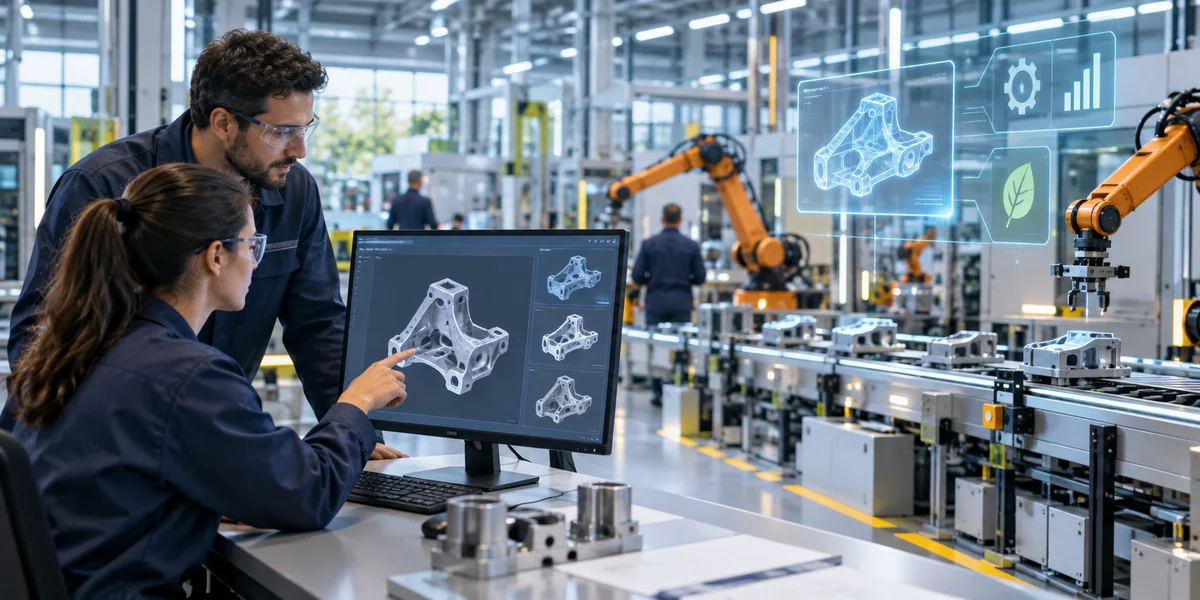
What is Generative AI in Manufacturing?
In manufacturing, generative artificial intelligence is a sophisticated tool that not only follows instructions but learns from patterns to improve outcomes. Utilizing historical data, goals, and constraints, it generates innovative ideas, designs, and processes. As a creative assistant, it aids engineers in designing parts, streamlining operations, and accelerating development. Generative AI fosters smarter decision-making and promotes innovation across supply chains, testing, quality control, and planning. It continuously learns and enhances results, facilitating seamless human-machine collaboration, reducing waste, and speeding up production.
Smarter Product Design with AI
Generative AI accelerates and refines product design processes. Where engineers previously spent weeks on development and testing, AI now swiftly generates multiple design options. By analyzing performance goals, budget constraints, materials, and previous design data, it suggests optimal solutions. For instance, AI can quickly create designs that meet a company’s requirement for lighter and stronger parts. Digital simulations evaluate these prototypes, cutting down on time and costs associated with physical models. Generative AI reduces design errors, shortens production time, and fosters rapid innovation by allowing teams to explore numerous ideas.
Improved Production Planning and Scheduling
Production planning and scheduling are complex tasks in any plant. Generative AI addresses these challenges by evaluating data such as inventory levels, machine performance, staff availability, and orders to formulate the most efficient manufacturing plan. It can adjust the schedule in real-time to accommodate changes, such as machine breakdowns, ensuring minimal disruption. By proactively identifying potential shortages or hazards, AI minimizes downtime and waste, leading to smoother operations, timely order fulfillment, and reduced production costs.
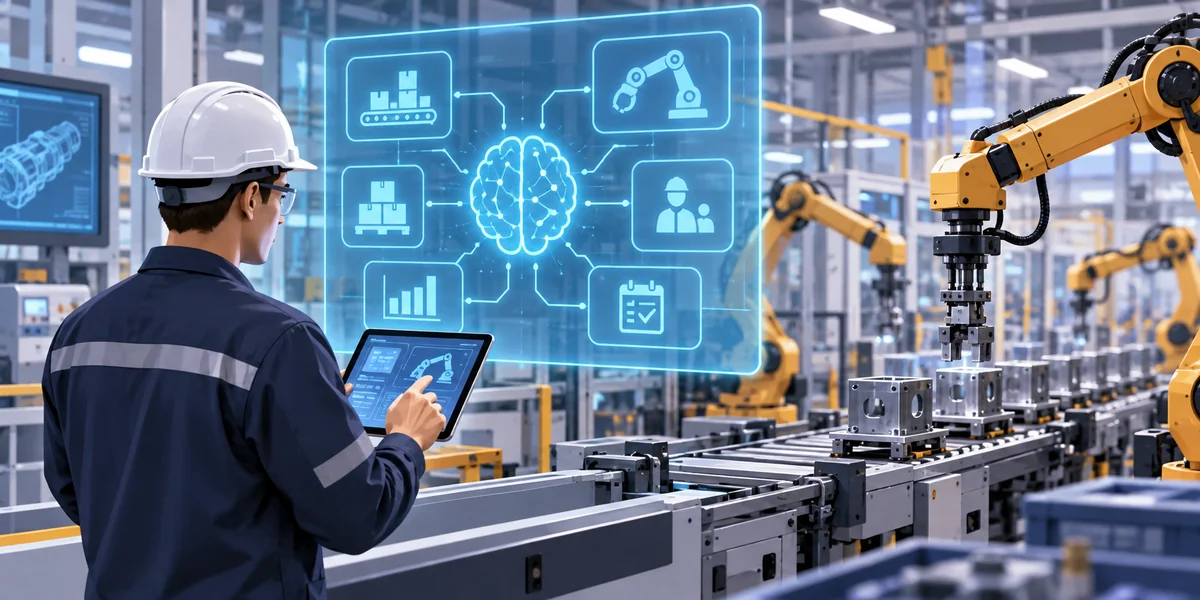
Predictive Maintenance and Equipment Care
Predictive maintenance, enabled by generative AI, plays a vital role in equipment care. Instead of sticking to fixed maintenance schedules, AI analyzes machine data like temperature, sound, and vibration to detect signs of wear or failure. It alerts staff to anomalies before they result in breakdowns, reducing unplanned downtime and repair costs. This approach also optimizes maintenance schedules and suggests better replacement parts or design tweaks to enhance performance and longevity, improving overall factory efficiency.
Customized Products and Flexible Production
Generative AI makes customized and flexible manufacturing feasible. Previously, customizing products for individual customers was slow and expensive. Today, AI allows manufacturers to offer more options while maintaining efficiency. Customers can personalize products like sneakers or select unique features, and AI schedules production to accommodate these customizations without delays. By managing every aspect of personalization, AI reduces errors and keeps processes cost-effective, enhancing customer satisfaction and providing manufacturers with a competitive edge.
Energy Efficiency and Sustainability
Generative AI helps manufacturers achieve sustainability by decreasing energy consumption and waste. By analyzing machine, material, and operation data, it identifies improvements, such as running machinery during off-peak hours or suggesting more recyclable materials for design. AI also helps minimize packaging and optimize transportation routes, reducing carbon footprints and energy costs. Manufacturers can track emissions to meet environmental regulations and targets, making sustainability an integral part of their processes, benefiting both the environment and business performance.
Conclusion
Generative AI is transforming industrial processes by enabling agile manufacturing, faster planning, predictive maintenance, and innovative designs. By leveraging data, manufacturers can stay competitive, reduce costs, and improve efficiency. The technology supports sustainability by cutting energy use and waste, enhancing the cooperation between humans and machines. As manufacturing challenges grow more complex, generative AI offers clear, inventive solutions, allowing manufacturers to respond swiftly to modern demands.
For further exploration, consider visiting resources on AI in manufacturing and sustainable production technologies.
Related articles

Powering the Future of Personalized Commerce: Generative AI in Retail Marketing

Dremio Adds First Generative AI-Infused Tool: A New Era in Data Analytics

Human-like AI quest drives general AI development efforts

Can AI Outsmart Humans? 5 times AI found unexpected solutions

How to use OpenAI's ChatGPT to Write Business Emails Automatically
Can AI Outsmart Humans? 5 times AI found unexpected solutions

Responsible AI: Driving Ethical Innovation Beyond Risk Avoidance

Generative AI Risks: Understanding Implications for Trust and Safety

Salesforce Advances Secure, Private Generative AI

Copyright And Artificial Intelligence: Can AI Be An Inventor?
Predictive Maintenance: This Is How AI Can Transform Industry 4.0

Understanding Artificial Intelligence: Definition and Scope
Latest articles

Giving Robots a Sense of Touch: Tactile Sensors Reach the Fingertips

BT Highlights the Crucial Role of Networks in AI at Mobile World Congress

The Beginner’s Guide to Building RDDs in Apache Spark with PySpark

SSH vs. Telnet: Key Differences in Cyber Security

How Amazon AppFlow Transforms Data Integration Across Cloud Services

AWS S3 Buckets and Security Explained: How Data Stays Safe in the Cloud

A Complete Guide to Apache Sqoop: Features, Architecture, and Operations

What Flipkart Reviews Reveal: A Deep Dive into Sentiment Analysis

How Data Warehousing in Azure SQL Simplifies Analytics Workloads

How Microsoft’s New AI Agents Are Redefining Factory Automation at Hannover Messe 2025

Getting Started with Exploratory Data Analysis in Einblick
